Scope note: this Sound Shelter guide uses official product pages, public specifications, local image assets, and buyer-fit analysis. It does not claim private lab measurements or long-term personal ownership notes. Treat it as a structured buying guide, then confirm current price, colour, warranty, and availability before purchasing.
The short answer is this: Open-back headphones usually feel wider and less boxed-in, but closed-back headphones are easier to live with in shared rooms. The right choice depends less on soundstage hype and more on leakage, outside noise, clamp, and whether you need reliable bass at low volume. The longer answer depends on your room, commute, source device, comfort needs, and how much you value convenience features over a simpler wired chain.
For this article, the important question is not which product has the loudest marketing line. It is whether the product solves the pressure point that made you search in the first place. If the pressure point is office noise, ANC behavior and call comfort matter. If it is desk listening, room leakage and source headroom matter. If it is value, the timing of the sale and the reliability of returns matter more than a dramatic percentage badge.
Fit framework
Use this checklist before ranking the products:
- Sound leakage through walls or across a desk.
- Stage width and imaging on open models.
- Closed-back bass consistency.
- Amplifier needs and cable practicality.
A good purchase should pass at least three of those checks. If it only wins one headline metric, it may still be the wrong match. The most common mistake in audio shopping is solving the visible problem instead of the actual one: buying a DAC for an uncomfortable headphone, buying ANC for a room where an open-back wired model would sound better, or buying a premium flagship when a mid-tier model already covers the commute.
Also decide where you will listen most often. A train journey, shared office, quiet desk, and late-night bedroom session all reward different trade-offs. Sound Shelter articles keep that context visible so the recommendation does not drift into a generic ranking.
Product notes
Sennheiser HD 560S
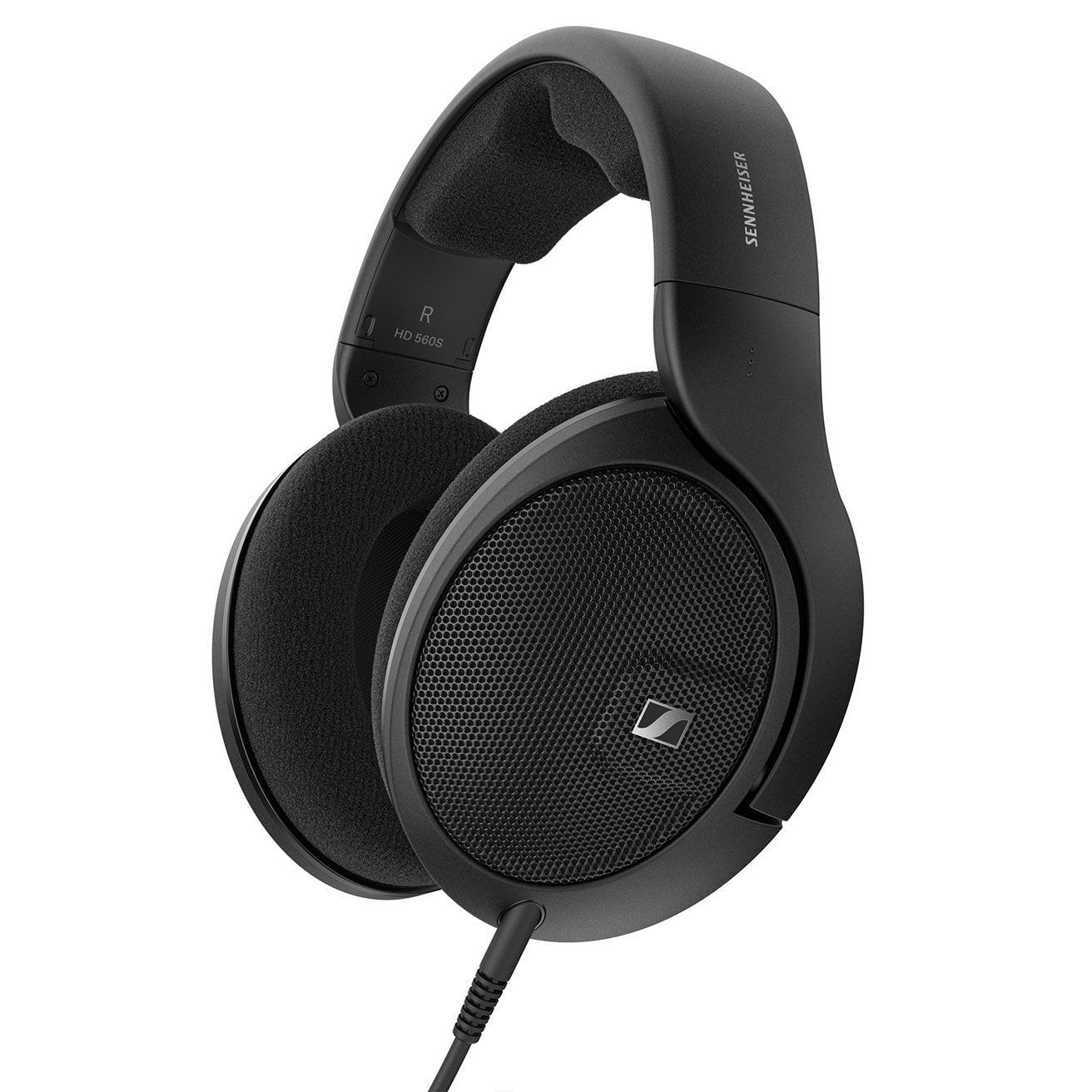
This local product image is stored with the article slug so the page can be built without remote image dependencies.
Officially, Sennheiser HD 560S is positioned around an open-back 120-ohm design aimed at analytical home listening and mix checks. In buyer terms, that means it should be judged by the problem it is meant to solve, not by brand familiarity alone. For a commuter, the important question is whether the controls, battery, and noise reduction stay easy for repeated use. For a desk listener, the question becomes comfort, cable handling, output needs, and whether the headphone or DAC adds friction to the work surface.
Where it fits: sound leakage through walls or across a desk. Where it can disappoint: you need ANC for travel rather than passive listening at a desk. That is why the product belongs in this guide but still needs a buyer-specific check before it becomes the recommendation.
Sennheiser HD 600
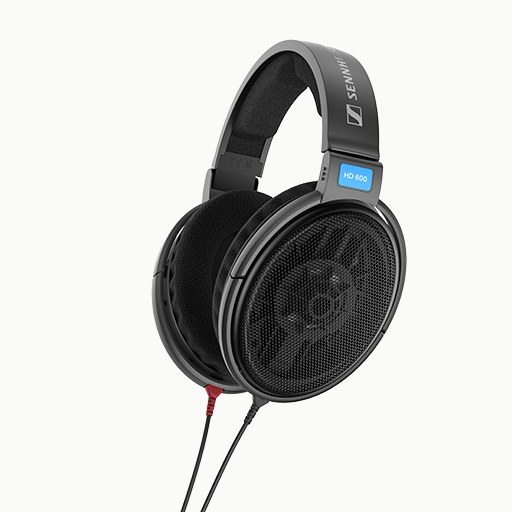
The product page was used for current feature language, while the recommendation here is based on use-case fit.
Officially, Sennheiser HD 600 is positioned around a 300-ohm open-back reference headphone that prioritizes midrange naturalness over portability. In buyer terms, that means it should be judged by the problem it is meant to solve, not by brand familiarity alone. For a commuter, the important question is whether the controls, battery, and noise reduction stay easy for repeated use. For a desk listener, the question becomes comfort, cable handling, output needs, and whether the headphone or DAC adds friction to the work surface.
Where it fits: stage width and imaging on open models. Where it can disappoint: you share a room and play late at night. That is why the product belongs in this guide but still needs a buyer-specific check before it becomes the recommendation.
beyerdynamic DT 900 PRO X
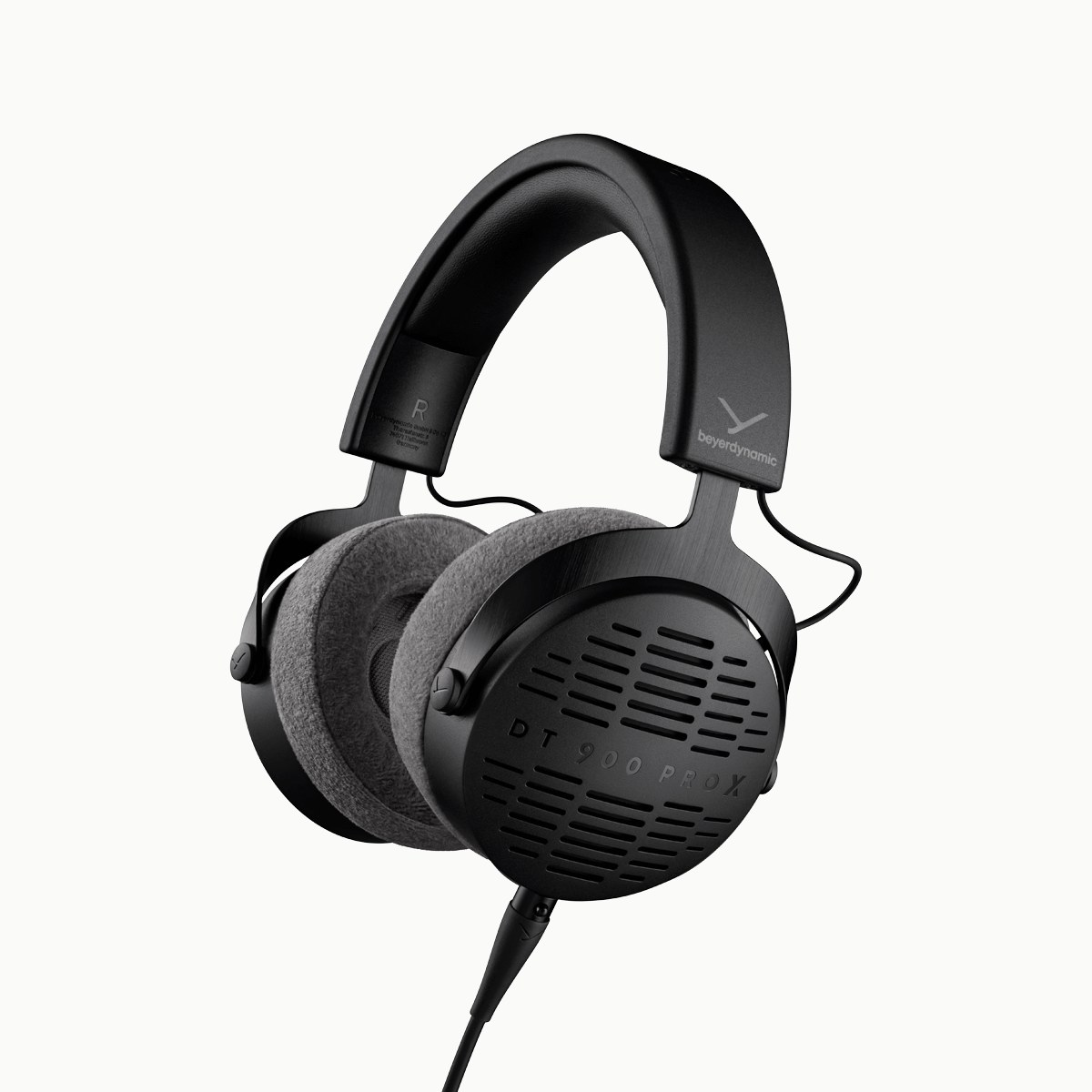
The image is intentionally paired with a caution note so the product is not treated as a universal answer.
Officially, beyerdynamic DT 900 PRO X is positioned around an open-back 48-ohm studio headphone built around the STELLAR.45 driver and long-session velour comfort. In buyer terms, that means it should be judged by the problem it is meant to solve, not by brand familiarity alone. For a commuter, the important question is whether the controls, battery, and noise reduction stay easy for repeated use. For a desk listener, the question becomes comfort, cable handling, output needs, and whether the headphone or DAC adds friction to the work surface.
Where it fits: closed-back bass consistency. Where it can disappoint: you expect a closed-back headphone to sound as spacious as a strong open-back model. That is why the product belongs in this guide but still needs a buyer-specific check before it becomes the recommendation.
beyerdynamic DT 700 PRO X
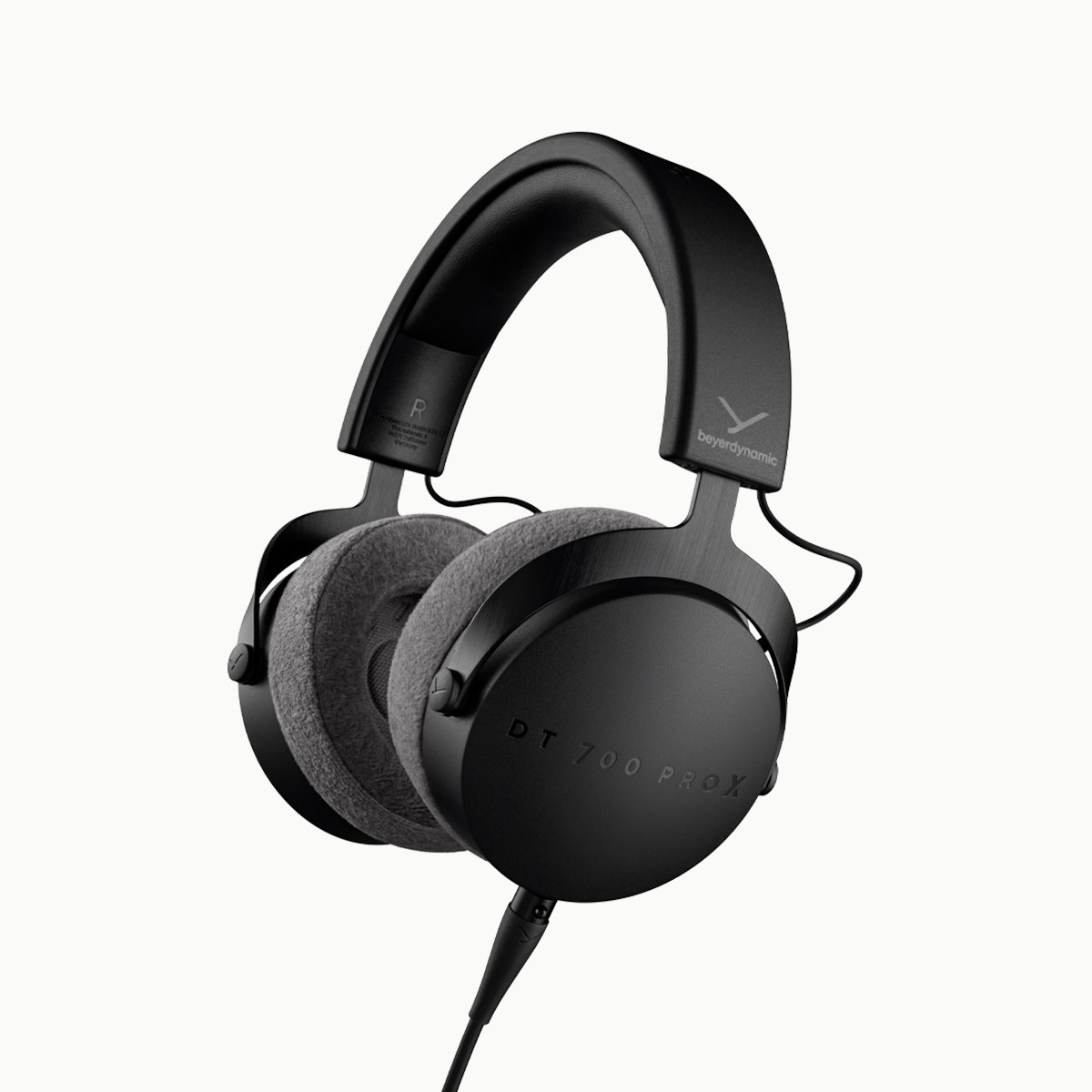
This is included because the model changes the decision for a specific room, commute, or source-chain scenario.
Officially, beyerdynamic DT 700 PRO X is positioned around a closed-back 48-ohm studio headphone that trades stage width for isolation and stronger room control. In buyer terms, that means it should be judged by the problem it is meant to solve, not by brand familiarity alone. For a commuter, the important question is whether the controls, battery, and noise reduction stay easy for repeated use. For a desk listener, the question becomes comfort, cable handling, output needs, and whether the headphone or DAC adds friction to the work surface.
Where it fits: amplifier needs and cable practicality. Where it can disappoint: you need ANC for travel rather than passive listening at a desk. That is why the product belongs in this guide but still needs a buyer-specific check before it becomes the recommendation.
Buying matrix
| Product | Best fit | Officially listed angle | Buying caution |
|---|---|---|---|
| Sennheiser HD 560S | Open desk listening | an open-back 120-ohm design aimed at analytical home listening and mix checks | Check current UK price and return terms before buying |
| Sennheiser HD 600 | Open desk listening | a 300-ohm open-back reference headphone that prioritizes midrange naturalness over portability | Check current UK price and return terms before buying |
| beyerdynamic DT 900 PRO X | Open desk listening | an open-back 48-ohm studio headphone built around the STELLAR.45 driver and long-session velour comfort | Check current UK price and return terms before buying |
| beyerdynamic DT 700 PRO X | Closed room control | a closed-back 48-ohm studio headphone that trades stage width for isolation and stronger room control | Check current UK price and return terms before buying |
Read the table from left to right rather than by brand name. If two products appear close, choose the one that removes the bigger daily annoyance. For example, a headphone with better battery may be the smarter travel buy even if a rival has more dramatic ANC. A closed-back wired headphone may be the mature choice in a shared flat even if an open-back model sounds more spacious in ideal conditions.
The ranking should also change when price changes. A flagship at full RRP and the same flagship at a deep seasonal discount are different recommendations. That does not mean every sale is good; it means the value judgement has to include price, return terms, warranty clarity, and whether the cheaper alternative already solves the use case.
Room, source, and comfort notes
Audio gear fails most often at the edges: the pad seal breaks when glasses are worn, the headband feels fine for twenty minutes but not two hours, the laptop jack is noisy, the office is louder than expected, or the commute makes touch controls awkward. Those edges should be checked before chasing a more expensive model.
For wired headphones, source matching matters when the device cannot provide clean volume or the right output. A compact DAC/amp such as FiiO K11, BTR15, or KA13 can be valuable, but only if the headphones actually benefit from it. For wireless ANC headphones, the source-chain story is different: Bluetooth mode uses the headphone's internal electronics, so a separate DAC is usually not the fix.
Comfort is the slow decision. Weight, clamp, pad depth, heat, and cable pull decide whether a product stays on the desk or in the drawer. If you are between two choices, pick the one with the lower daily friction rather than the one with the more impressive spec sheet.
Price, warranty, and retailer checks
Before buying, open the official product page and at least two trusted retailers. Confirm the exact colour, bundled cable, warranty terms, and return window. Audio products are often sold in older and newer colourways at the same time, and marketplace listings can blur the difference between a genuine discount and a less useful bundle.
For UK shoppers, the most useful sale signal is not the largest crossed-out number. It is a price that has returned more than once at a reputable store, with stock available, clear returns, and no confusing regional warranty language. If the product will be used for travel or work, an easy return window is part of the value calculation because comfort cannot be fully judged from specifications.
Affiliate disclosure matters here as well. Sound Shelter may earn from qualifying purchases, but the editorial order is based on fit, use case, and reader value. A higher commission is not a reason to push a product that does not match the situation.
Final fit checks
The best small-room choice depends on who else hears the headphone. Sennheiser HD 560S and beyerdynamic DT 900 PRO X make sense when you have a quiet room, can tolerate leakage, and value openness over isolation. beyerdynamic DT 700 PRO X is safer when someone works nearby, when outside noise leaks into the room, or when late-night listening needs more control. Sennheiser HD 600 is the more deliberate open-back path when you are ready for a stable desk chain and can accept its room demands.
Open-back headphones are often recommended because they can sound wider and less boxed in, but the room has to cooperate. If a fan, keyboard, street noise, or another person is constantly present, the open design may lose its advantage. Closed-back headphones can feel narrower, yet they protect bass consistency and privacy better in imperfect rooms.
Before choosing, run a practical room check. Sit where you normally listen, play music from speakers or a phone at low volume, and ask whether those distractions would bother you through an open headphone. Then ask whether your own music would bother someone else. If either answer is yes, a closed-back model may be the better long-term choice even if the open-back option wins in a quiet shop listen.
Next reading
- Best Wired Headphones For Desk Listening Under 300
- Dac Amp Fit Check
- Fiio K11 Review For Desk Headphones
- Are Sennheiser Headphones Worth It
Those links are not filler. They are the quickest way to change the recommendation when your situation changes. If you move from a quiet room to a shared flat, read the open-back comparison. If you add a wired headphone to a laptop, read the DAC/amp guide. If you are waiting for a flagship ANC sale, use the deals page before treating a discount as a decision.
FAQ
Should I trust a product just because it has the longest specification list?
No. Specifications help you screen options, but fit, comfort, controls, return policy, and room conditions decide whether the product works every day.
Is a cheaper model always worse?
No. A cheaper model can be the better recommendation when it solves the real use case and avoids a flagship feature you will not use.
When should I wait for a sale?
Wait when the model regularly moves during UK sale periods and you do not need it immediately. Buy when the current price is already strong and the return window covers your first real use.
Do local product images mean the page is independent of remote CDNs?
Yes. The article uses local copies of product images so the page can build and render consistently. Source URLs are recorded in the asset manifest.
What should I check right before purchase?
Confirm the exact model name, colour, included cable, warranty region, retailer returns, and whether the product still matches your source device and room.
Official source notes
- Sennheiser HD 560S - official product page used for specifications and imagery; key fit note: an open-back 120-ohm design aimed at analytical home listening and mix checks.
- Sennheiser HD 600 - official product page used for specifications and imagery; key fit note: a 300-ohm open-back reference headphone that prioritizes midrange naturalness over portability.
- beyerdynamic DT 900 PRO X - official product page used for specifications and imagery; key fit note: an open-back 48-ohm studio headphone built around the STELLAR.45 driver and long-session velour comfort.
- beyerdynamic DT 700 PRO X - official product page used for specifications and imagery; key fit note: a closed-back 48-ohm studio headphone that trades stage width for isolation and stronger room control.